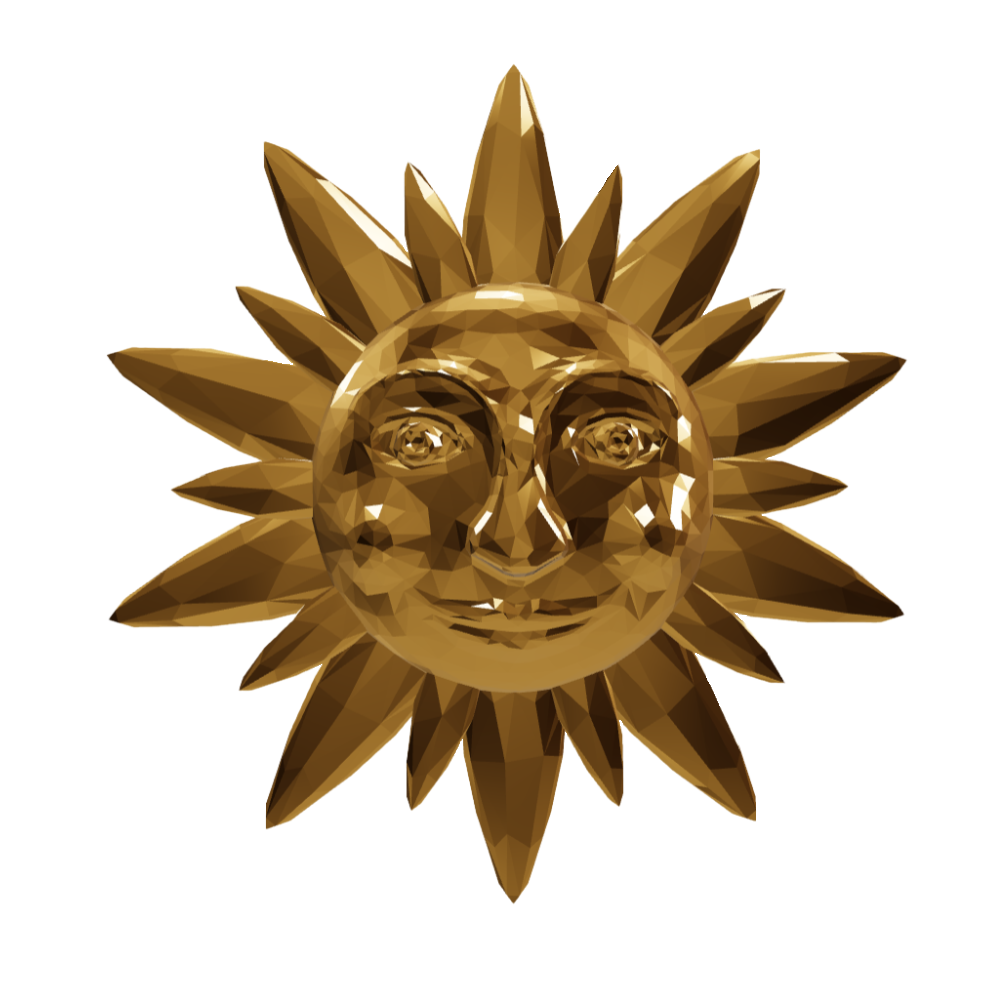

3D-printed NFT art combines a blockchain token with a physical object, a digital model, or both. The NFT may record a token associated with the artwork, while a 3D printer turns a digital model into a physical form. These are related parts of a project, but they are not the same thing.
What Does the NFT Represent?
An NFT generally records control of a token on a blockchain. The project may use that token to identify a digital model, a physical sculpture, a certificate of authenticity, access to a file, or a combination of benefits.
The token does not automatically prove that the physical object is authentic, that the buyer owns copyright, or that the creator will provide future replacement parts or support. Those rights and obligations should be written in the project’s terms or license.
A Typical Production Workflow
- An artist creates or licenses a 3D model.
- The model is repaired and prepared for fabrication.
- The creator chooses a material, printer, scale, and finishing method.
- A physical prototype is printed and inspected.
- The digital asset and token metadata are prepared.
- The NFT is minted or listed through a contract or marketplace.
- The physical item is delivered, displayed, or made available under the stated terms.
Important Technical Choices
- Printing method: FDM, resin, selective laser sintering, and other methods produce different levels of detail, strength, and surface finish.
- Material: Plastics, resin, metals, ceramics, and composites have different costs and durability.
- Scale: A model may need structural changes when printed very large or very small.
- File preparation: Mesh errors, unsupported surfaces, thin walls, and poor orientation can cause failed prints.
- Finishing: Sanding, painting, curing, assembly, and protective coatings can substantially affect the final result.
Ownership, Copyright, and Licensing
Buying an NFT usually gives the buyer control of the token, not automatic copyright in the artwork or 3D model. A license may allow personal display, commercial use, reproduction, or no use beyond holding and viewing the asset. Read the license before printing copies, selling products, modifying the model, or using it in another project.
Risks and Practical Limitations
- The model or metadata may be hosted on a service that later disappears.
- The physical object may be damaged, lost, or difficult to replace.
- Shipping, customs, taxes, and production costs may be separate from the token price.
- A smart contract or marketplace may contain a vulnerability.
- A token may not guarantee delivery of a physical item.
- Print quality can vary between machines, materials, and operators.
- Resale value is speculative and not guaranteed.
A Buyer’s Checklist
- Confirm the official contract address and project identity.
- Determine whether the purchase includes a physical item, a file, or only a token.
- Read delivery, replacement, license, and refund terms.
- Check how the digital model and metadata are stored.
- Ask whether the model can be printed, modified, or commercially used.
- Calculate all production, shipping, and maintenance costs.
- Use a secure wallet and never share its recovery phrase.
Conclusion
3D-printed NFT art can connect digital provenance with physical fabrication, but the blockchain token, digital model, physical object, and legal license remain separate components. A credible project explains exactly what the buyer receives and who is responsible for production, delivery, storage, and support.
Clear terms and careful technical planning matter more than the novelty of combining NFTs with 3D printing.
Join Our Discord for Free Art and NFT Game Items
Discord · OpenSea · Rarible · Magic Eden