
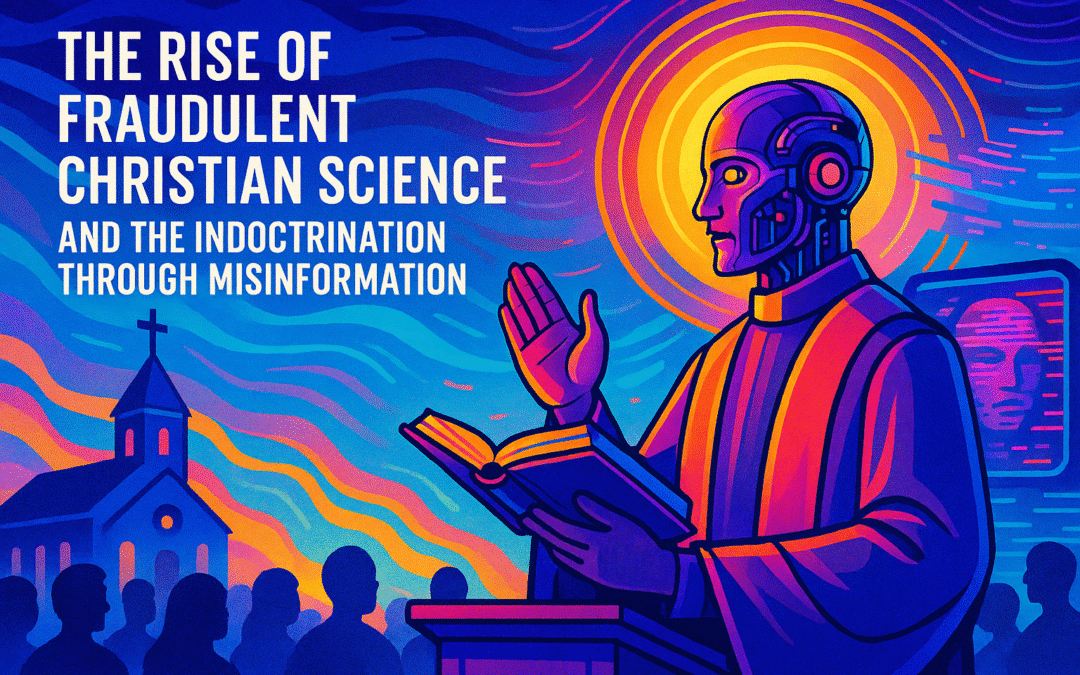
In recent years, a concerning trend has emerged within various religious communities, particularly among those who identify with Christian Science. This trend, characterized by the rise of fraudulent practices and misinformation, poses a significant threat to the integrity of genuine belief systems. This article explores the evolution of these fraudulent practices, the mechanisms of indoctrination, and the implications for followers and society at large.
Understanding Christian Science
Christian Science is a religious movement founded in the 19th century by Mary Baker Eddy, who emphasized healing through spiritual means rather than through traditional medicine. Central to Christian Science is the belief that the material world is an illusion and that spiritual understanding can lead to healing and salvation. This doctrine has attracted numerous followers, drawn to the promise of health and spiritual enlightenment.
The Core Principles
At the heart of Christian Science are key tenets that encourage followers to rely on prayer and spiritual insight for healing. This belief system is rooted in a literal interpretation of the Bible, particularly the teachings of Jesus Christ. Followers are often drawn to the idea that they can overcome physical ailments through faith and understanding, leading to a strong sense of community and belonging.
The Emergence of Fraudulent Practices
As Christian Science gained popularity, it also attracted individuals who sought to manipulate the faith for personal gain. This included the emergence of fraudulent practitioners who misrepresented their abilities and knowledge, often preying on vulnerable individuals desperate for healing. These fraudulent practices have significantly distorted the core principles of Christian Science, leading to a proliferation of misinformation.
Characteristics of Fraudulent Christian Science
Fraudulent Christian Science can manifest in various forms, including:
- Misleading Healing Claims: Some practitioners falsely claim miraculous healing abilities, misleading followers into believing they can achieve health through their services.
- Commercialization of Faith: Certain individuals have commodified spiritual practices, charging exorbitant fees for treatments that have no basis in genuine healing principles.
- Exploitation of Vulnerability: Many fraudulent practitioners specifically target individuals facing severe health challenges, exploiting their desperation and hope for recovery.
Mechanisms of Indoctrination
The rise of fraudulent Christian Science is not merely a consequence of individual deception; it is also a product of systematic indoctrination techniques that manipulate followers into accepting misinformation as truth. Understanding these mechanisms is crucial for recognizing and combating fraudulent practices.
Information Control
One of the primary methods of indoctrination is the control of information. Fraudulent practitioners often create an environment where dissenting opinions and alternative viewpoints are discouraged. This can be achieved through:
- Isolation: Followers are often encouraged to distance themselves from outside influences, including family and friends who may question the practices of fraudulent practitioners.
- Selective Teaching: Information is selectively presented to followers, emphasizing teachings that support the fraudulent practices while omitting critical perspectives that could lead to skepticism.
Emotional Manipulation
Emotional manipulation is another common tactic used in the indoctrination process. This can include:
- Fear Tactics: Practitioners may instill fear in followers about the consequences of seeking traditional medical treatment, framing it as a lack of faith.
- Promise of Salvation: By offering the promise of spiritual enlightenment and healing, fraudulent practitioners create a strong emotional bond with followers, making it difficult for them to question the legitimacy of the practices.
The Impact on Followers
The rise of fraudulent Christian Science has far-reaching implications for its followers. Many individuals who become entangled in these practices experience a range of negative consequences, including:
Health Risks
When individuals forgo traditional medical treatment in favor of fraudulent practices, they often face significant health risks. Delaying or refusing necessary medical care can lead to worsening health conditions, which may ultimately result in preventable illnesses or even death.
Emotional and Psychological Effects
Followers of fraudulent Christian Science may also experience emotional and psychological distress. The manipulation of faith can lead to feelings of guilt, shame, and anxiety when individuals struggle to achieve the promised healing or enlightenment. This can create a cycle of dependence on fraudulent practitioners, further entrenching individuals in misinformation.
Combating Fraudulent Practices
Addressing the rise of fraudulent Christian Science requires a multifaceted approach that includes education, community support, and advocacy for transparency within the faith. Here are some strategies that can be employed:
Informed Education
One of the most effective ways to combat misinformation is through education. Providing accurate information about Christian Science and the potential risks associated with fraudulent practices can empower individuals to make informed decisions. This can involve:
- Workshops and Seminars: Hosting educational events that provide insights into the principles of Christian Science, as well as red flags to watch for in fraudulent practitioners.
- Online Resources: Creating accessible online platforms that offer accurate information, testimonials from former followers, and resources for those seeking help.
Community Support
Building a strong sense of community within the Christian Science faith can help combat the influence of fraudulent practices. Encouraging open dialogue and support networks can create an environment where individuals feel safe discussing their experiences and concerns. This can include:
- Support Groups: Establishing support groups for individuals who have encountered fraudulent practices, providing a safe space for sharing experiences, and healing.
- Mentorship Programs: Pairing new followers with experienced members of the faith who can offer guidance and support, helping to navigate potential pitfalls.
The Role of Leadership
Leadership within the Christian Science community plays a crucial role in addressing the rise of fraudulent practices. Leaders must take a proactive stance in promoting transparency and accountability. This can involve:
- Zero Tolerance Policies: Implementing strict policies against fraudulent practices and holding individuals accountable for their actions.
- Encouraging Reporting: Creating channels for followers to report suspicious behaviors or fraudulent claims, ensuring that concerns are taken seriously and addressed promptly.
Conclusion
The rise of fraudulent Christian Science is a troubling phenomenon that threatens the integrity of an otherwise beneficial faith. By recognizing the mechanisms of indoctrination and actively combating misinformation, followers can reclaim their faith and foster a community grounded in genuine healing and spiritual understanding. It is essential to remain vigilant, informed, and supportive of one another as we navigate these challenges together.
FAQs
What is Christian Science?
Christian Science is a religious movement founded by Mary Baker Eddy in the 19th century, emphasizing healing through spiritual means rather than conventional medicine.
What are some signs of fraudulent Christian Science practices?
Signs include misleading healing claims, commercialization of faith, and exploitation of vulnerable individuals seeking help.
How can individuals protect themselves from fraudulent practices?
Individuals can protect themselves by educating themselves about Christian Science, seeking support from reputable community members, and being cautious of practitioners who make unrealistic promises.
What should I do if I suspect someone is practicing fraudulent Christian Science?
If you suspect fraudulent practices, consider reporting your concerns to community leaders, seeking advice from trusted members, and encouraging open discussions about experiences.
How can the Christian Science community address fraudulent practices?
The community can address these issues through education, building support networks, implementing zero-tolerance policies for fraud, and encouraging transparency in practices.
System Ent Corp Sponsored Spotify Music Playlists:
https://systementcorp.com/matchfy
Other Websites:
https://discord.gg/eyeofunity
https://opensea.io/eyeofunity/galleries
https://rarible.com/eyeofunity
https://magiceden.io/u/eyeofunity
https://suno.com/@eyeofunity
https://oncyber.io/eyeofunity
https://meteyeverse.com
https://00arcade.com
https://0arcade.com