Introduction to Dreamcore and Its Influence on Storytelling
In the kaleidoscopic world of creative writing, dreamcore stands out as a unique subculture that blends the surreal with the nostalgic. Often characterized by ethereal visuals, dreamcore taps into the subconscious, creating a sense of wonder and eerie familiarity. Imagine a place where reality blurs with dreams, where the laws of physics bend, and where the boundaries of time and space dissolve. This is the essence of dreamcore—a realm that invites writers to explore the depths of imagination and craft stories that resonate with the surreal beauty of dreams.
The Origins and Aesthetic of Dreamcore
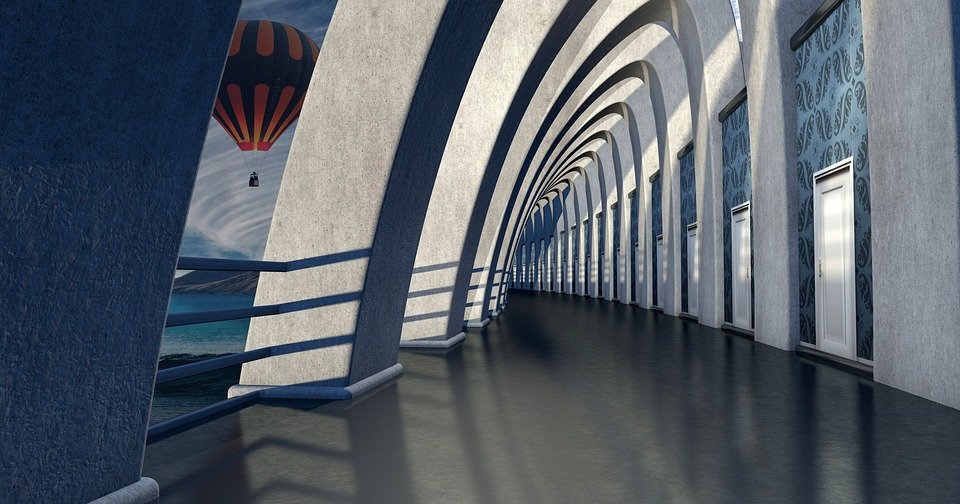
Dreamcore has its roots in various art movements, including surrealism and vaporwave, but it extends beyond mere visual aesthetics. It captures a feeling—a longing for something just out of reach, an exploration of the subconscious. This genre often features distorted or dreamlike imagery, soft pastel colors, and an ambiance that evokes nostalgia and introspection. For writers, dreamcore offers an endless array of possibilities to create narratives that defy logic yet feel deeply resonant.
Crafting Your Dreamworld: The Power of Dreamcore Prompts
For writers eager to dive into the dreamcore genre, prompts can serve as a powerful catalyst for creativity. These prompts act as gateways into alternate realities, providing a starting point for stories that challenge conventional narratives. They can help you explore themes of identity, memory, and the fluid nature of reality. By tapping into the dreamcore aesthetic, writers can construct worlds that are both strange and familiar, inviting readers to question the nature of their own perceptions.
Prompt 1: The Eternal Carousel
Imagine a carousel that spins endlessly under a sky perpetually caught between dusk and dawn. The horses are carved from translucent crystal, reflecting a spectrum of colors as they turn. What secrets does this carousel hold? Who are the mysterious figures riding it, and why are they unable to leave? This prompt invites you to explore themes of time, eternity, and the cyclical nature of dreams.
Prompt 2: The Library of Forgotten Memories
Envision a library where each book contains a forgotten memory. The air is thick with the scent of old parchment and whispers of the past. As your protagonist explores the aisles, they discover a book with their name on it. What memory does it contain, and why was it forgotten? This prompt challenges you to delve into themes of memory, identity, and the power of the past.
Prompt 3: The City of Mirrors
Picture a city where every surface is a mirror, reflecting infinite versions of reality. In this city, people wear masks to hide their reflections, and the air hums with quiet echoes. Your protagonist arrives without a mask, drawn by a haunting melody. What truths are hidden in the reflections, and what happens when they confront their own image? This prompt encourages exploration of self-perception and the nature of truth.
Thematic Exploration: Unraveling the Subconscious
Dreamcore narratives often delve into themes that challenge our understanding of reality and the subconscious mind. By embracing the illogical and the fantastical, writers can craft stories that resonate on a deeply emotional level. Themes such as the fluidity of time, the malleability of identity, and the exploration of existential questions are central to dreamcore storytelling.
Time as a Fluid Concept
In the dreamcore realm, time is not linear. It ebbs and flows, allowing characters to move between past, present, and future with ease. This fluidity creates opportunities for exploring alternate timelines and parallel universes, inviting readers to consider the impact of time on memory and identity.
Identity and the Self
Dreamcore often blurs the lines between self and other, inviting characters to question their own identities. Masks, reflections, and doppelgängers are common motifs, symbolizing the multifaceted nature of the self. Writers can use these elements to explore themes of self-discovery, transformation, and the search for authenticity.
Crafting Characters in a Dreamcore Narrative
Characters in dreamcore stories often exist in a state of flux, reflecting the mutable nature of the dreamworlds they inhabit. When crafting characters, consider how they interact with the surreal elements around them. Are they aware of the dreamlike nature of their world, or are they oblivious to its strangeness? Do they embrace the surreal, or do they struggle to maintain a sense of normalcy?
The Dreamer
Often at the center of a dreamcore narrative is the dreamer—a character who navigates the blurred lines between reality and dreams. The dreamer may possess a unique ability to influence the dreamworld, or they may be on a quest to uncover the secrets hidden within it. Their journey serves as a conduit for exploring deeper themes and unraveling the mysteries of the subconscious.
The Guide
Guides in dreamcore narratives serve as mentors or companions to the protagonist. They may possess knowledge of the dreamworld’s secrets, offering cryptic advice or leading the dreamer on their journey. These characters often embody the duality of the dreamcore aesthetic, appearing both familiar and otherworldly.
The Antagonist
In a dreamcore story, the antagonist may not be a traditional villain. Instead, they could represent an aspect of the dreamworld that challenges the protagonist’s understanding of reality. This could be a manifestation of fear, doubt, or an unresolved conflict. By personifying these elements, writers can create compelling conflicts that resonate on both an emotional and philosophical level.
Building Atmosphere: Setting the Scene in a Dreamcore World
Atmosphere is a crucial element in dreamcore storytelling, as it immerses readers in the surreal world you create. Use vivid descriptions, sensory details, and evocative language to bring your dreamworld to life. Consider how light, sound, and texture contribute to the overall mood of your story.
Light and Shadow
In a dreamcore setting, light and shadow play a significant role in shaping the atmosphere. Soft, diffused lighting can create a sense of ethereal beauty, while stark contrasts between light and shadow can evoke mystery and tension. Experiment with different lighting scenarios to enhance the mood of your narrative.
Soundscapes
Sound is another powerful tool for building atmosphere. The gentle hum of a distant melody, the whisper of wind through trees, or the echo of footsteps in an empty hallway can all contribute to the dreamlike quality of your story. Use sound to create a sense of immersion and to guide the reader’s emotional journey.
Textures and Sensations
Incorporate tactile details to enhance the sensory experience of your narrative. Describe the texture of surfaces, the temperature of the air, or the sensation of movement. These details can ground the reader in the dreamworld, making it feel tangible and real despite its surreal nature.
Conclusion: Embracing the Dreamcore Aesthetic in Your Writing
Dreamcore offers a rich tapestry of inspiration for writers seeking to explore the boundaries of reality and imagination. By embracing the dreamcore aesthetic, you can craft stories that resonate with the wonder and mystery of dreams. Use the prompts and themes discussed in this article to ignite your creativity and embark on a journey into the unknown. Let your imagination soar as you write your dreamworld, inviting readers to join you in a place where anything is possible.
FAQs: Exploring Dreamcore in Storytelling
What is dreamcore?
Dreamcore is a subculture and aesthetic that combines surreal, nostalgic, and dreamlike elements to create a sense of wonder and introspection. It often features ethereal visuals, distorted imagery, and themes that explore the subconscious mind.
How can I incorporate dreamcore into my writing?
To incorporate dreamcore into your writing, focus on creating a dreamlike atmosphere with vivid descriptions, sensory details, and surreal elements. Use prompts to spark creativity and explore themes of identity, memory, and the fluid nature of reality.
What are some common themes in dreamcore storytelling?
Common themes in dreamcore storytelling include the fluidity of time, the malleability of identity, the exploration of the subconscious, and the questioning of reality. These themes invite readers to reflect on their own perceptions and experiences.
How do I create compelling characters in a dreamcore narrative?
In a dreamcore narrative, characters often exist in a state of flux. Consider how they interact with the surreal elements around them and how their journey reflects the themes of the story. Use archetypes like the dreamer, the guide, and the antagonist to explore deeper emotional and philosophical conflicts.
What role does atmosphere play in dreamcore storytelling?
Atmosphere is crucial in dreamcore storytelling, as it immerses readers in the surreal world you create. Use light, sound, and texture to enhance the mood and evoke the dreamlike quality of your narrative. These elements help ground the reader in the story, making the dreamworld feel tangible and real.