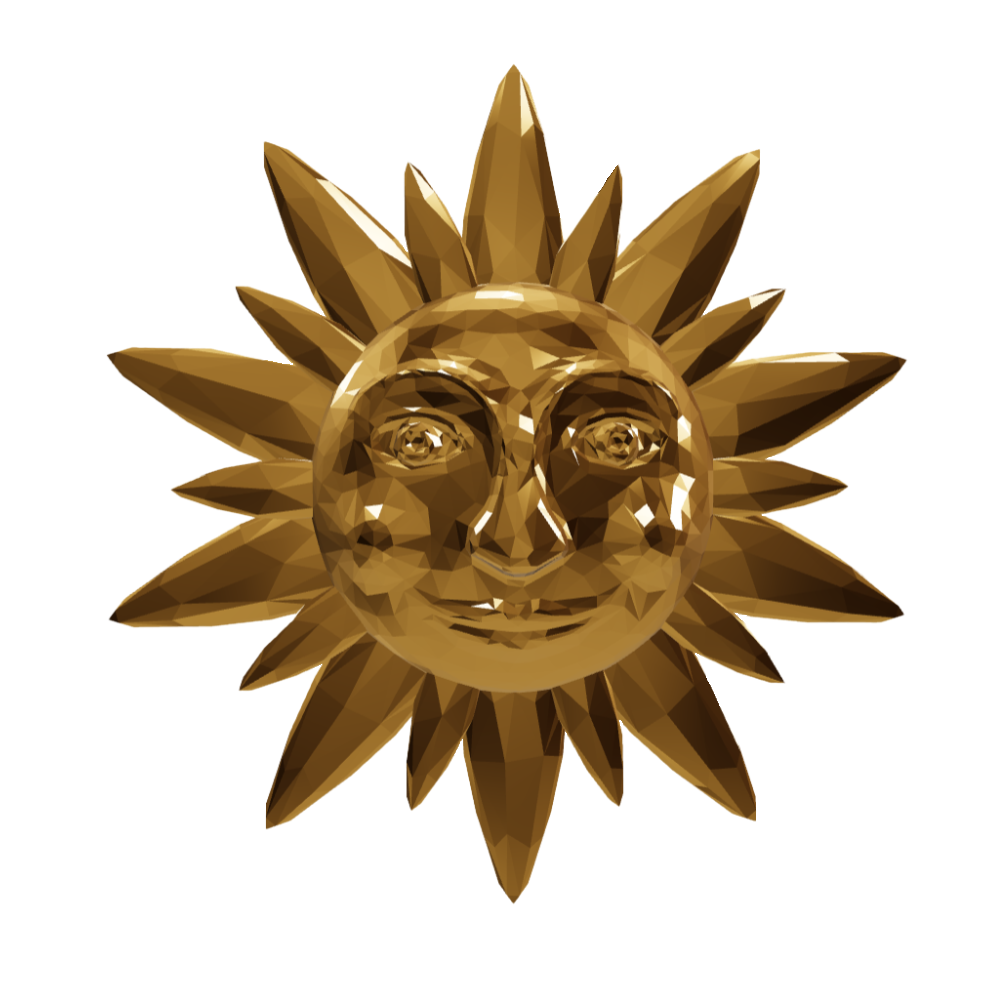

Introduction to NFTs
Non-Fungible Tokens (NFTs) have revolutionized the way we think about ownership and value in the digital realm. Unlike traditional cryptocurrencies such as Bitcoin or Ethereum, which are fungible and can be exchanged on a one-to-one basis, NFTs are unique digital assets that represent ownership of a specific item, artwork, or collectible. This uniqueness and scarcity are what give NFTs their value.
The Rise of Free NFTs
As the NFT market has matured, a new trend has emerged: free NFTs. These digital assets are often distributed without charge, allowing artists and collectors to engage with the technology without financial barriers. The concept of free NFTs may seem counterintuitive in a market where some digital artworks sell for millions, but there are compelling reasons why they matter.
Advantages for Artists
1. Lower Barriers to Entry
One of the most significant advantages of free NFTs for artists is the reduction of financial barriers. Many artists, especially those emerging in the digital space, may lack the funds to mint NFTs on various platforms. By providing free NFTs, artists can enter the market without worrying about upfront costs, allowing them to focus on their creativity.
2. Building a community
Free NFTs often foster a sense of community among artists and collectors. By distributing their work for free, artists can attract a wider audience and build a loyal fanbase. This community can provide valuable feedback, support, and even collaboration opportunities, enriching the artist’s experience and growth.
3. Increasing Visibility
In the crowded NFT space, visibility is crucial. Offering free NFTs can help artists gain exposure, as collectors are often more willing to explore and share free offerings. This increased visibility can lead to future sales and opportunities, as collectors who appreciate an artist’s free work may be more inclined to invest in their paid offerings.
4. Experimentation and Innovation
Free NFTs allow artists to experiment without the fear of financial loss. They can explore different styles, themes, and formats, pushing the boundaries of their creativity. This freedom can lead to innovative works that may not have been created otherwise, benefiting the entire NFT ecosystem.
Advantages for Collectors
1. Access to Unique Artworks
For collectors, free NFTs offer an opportunity to acquire unique digital artworks without financial risk. This democratization of access allows collectors to build their portfolios without the pressure of significant investments. As the NFT market can be volatile, free NFTs provide a safe entry point for collectors to engage with new artists and styles.
2. Discovering New Talent
Free NFTs can serve as a gateway for collectors to discover emerging artists. By collecting free pieces, collectors can support and champion new talent, potentially leading to significant financial rewards if these artists gain recognition and their work appreciates in value.
3. Building a Diverse collection
With the ability to acquire free NFTs, collectors can diversify their collections without the risk associated with high-priced artworks. This diversity can enrich their portfolios and provide a broader range of aesthetic and cultural experiences.
4. Strengthening the NFT Ecosystem
Collecting free NFTs contributes to a healthier NFT ecosystem. As more collectors participate, the overall interest in NFTs grows, benefiting both artists and collectors. A thriving market encourages innovation and engagement, creating a positive feedback loop that can elevate the entire community.
Challenges and Considerations
1. Perceived Value
One of the main challenges with free NFTs is the perception of value. Many collectors may assume that if something is free, it holds less value than a paid NFT. Artists must find ways to communicate the worth of their work effectively, ensuring that collectors understand the unique qualities of their free offerings.
2. Sustainability
While free NFTs can help artists gain visibility and build a community, artists must also consider their long-term sustainability. Offering free work may not provide the financial support needed to continue creating, so finding a balance between free and paid offerings is essential.
3. Quality Control
The influx of free NFTs may lead to an oversaturated market, making it challenging for high-quality work to stand out. Artists must maintain their standards and ensure that their free offerings reflect their best work, even if they are not generating income directly from them.
Case Studies: Successful Free NFT Projects
1. The World Wildlife Fund (WWF)
In 2021, the WWF launched a series of free NFTs to raise awareness about endangered species. These digital artworks were available for collectors to claim at no cost, allowing the organization to engage a broader audience while promoting conservation efforts. The project not only highlighted the value of wildlife but also demonstrated how free NFTs can be used for social impact.
2. Artists on Opensea
Many independent artists on platforms like Opensea have successfully distributed free NFTs to build their reputations and expand their reach. By offering free pieces, they have attracted collectors who later invest in their paid works, illustrating how free NFTs can act as a stepping stone to greater success.
3. Twitter Giveaways
Numerous artists and NFT projects use social media platforms like Twitter to run giveaways of free NFTs. By encouraging participants to retweet or share their work, these artists can increase their visibility and engagement. This strategy has proven effective for many, leading to new followers and potential buyers.
Conclusion
Free NFTs represent a significant shift in the digital art landscape, offering advantages for both artists and collectors. By lowering barriers to entry, fostering community, and encouraging experimentation, free NFTs create a more inclusive and diverse ecosystem. While challenges exist, the potential for growth and innovation in the NFT space is immense. As the market continues to evolve, the importance of free NFTs will only become more pronounced, paving the way for a new era of digital creativity and ownership.
FAQs
What are NFTs?
NFTs, or Non-Fungible Tokens, are unique digital assets that represent ownership of a specific item, artwork, or collectible on a blockchain. Unlike cryptocurrencies, NFTs are not interchangeable, as each token has distinct properties.
How do free NFTs work?
Free NFTs are digital assets offered to collectors without any charge. Artists may distribute these tokens as a way to gain exposure, build a community, or promote their work, allowing collectors to acquire unique pieces without financial risk.
Are free NFTs valuable?
While free NFTs may not have an upfront monetary value, their worth can increase based on the artist’s reputation and the demand for their work. Collectors often see potential in free NFTs, especially if they support emerging artists.
How can I find free NFTs?
Free NFTs can often be found on various NFT marketplaces, social media platforms, and through artist giveaways. Following artists, joining NFT communities, and participating in social media events can help collectors discover free offerings.
What are the risks of collecting free NFTs?
One risk of collecting free NFTs is the potential for oversaturation in the market, which may affect the perceived value of these assets. Additionally, some artists may not maintain quality standards for their free work, leading to less desirable pieces in a collector’s portfolio.