
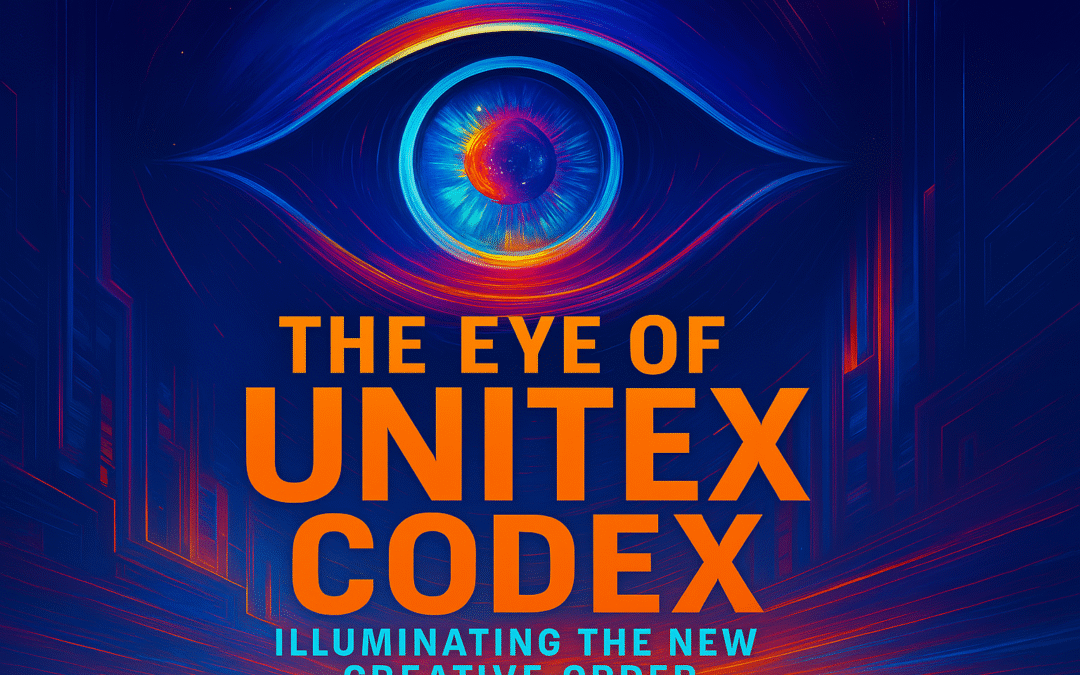
In the vast expanse of our digital universe, a single concept shines brighter than most: the Eye of Unity. Born from a fusion of mythic storytelling and cutting-edge innovation, this visionary idea has become the guiding star for creators, technologists, and cultural explorers alike. It doesn’t just illuminate our screens—it redefines the very ways we connect, collaborate, and conceive what’s possible in the 21st century.
Join us as we trace the epic tale of the Eye of Unity, from its whispered origins in ancient symbolism to its role as the architect of modern illumination. We’ll unpack the philosophies, technologies, and creative sparks that have made this concept a trending phenomenon. Whether you’re an artist chasing inspiration or a strategist hunting the next viral wave, the Eye of Unity has something transformative to offer.
The Legend Unveiled: What Is the Eye of Unity?
The Eye of Unity isn’t a physical artifact or a single platform—it’s a philosophy and a framework for connection. At its core, it represents:
- A lens through which disparate ideas, cultures, and technologies converge.
- A source of clarity in an age of information overload.
- A guiding principle for crafting experiences that feel both personal and universal.
Imagine an eye that sees patterns in chaos, finds common ground in diversity, and weaves those threads into a tapestry of shared meaning. That’s the essence of the Eye of Unity: an architect’s blueprint for illuminating the human experience in all its complexity.
Chapter 1: Origins of Illumination
Every legend begins with a spark. For the Eye of Unity, that spark came from a convergence of three streams of thought:
- Ancient Symbolism
Across civilizations—from Egyptian hieroglyphs to Hindu yantras—an all-seeing eye symbolized divine insight. It watched, it guided, it revealed hidden truths. - Renaissance Humanism
The rebirth of art and science in 15th-century Europe insisted on the unity of mind and matter. Artists like Leonardo da Vinci drew from observation and imagination alike. - Digital Revolution
In the late 20th century, the internet knitted humanity closer together than ever before. Ideas could travel at the speed of light, yet fragmentation and echo chambers also emerged.
The Eye of Unity sprang from the intersection of these currents. It borrowed the ancient eye’s promise of insight, the Renaissance’s insistence on interdisciplinary fusion, and the internet’s unprecedented connectivity. Out of this alchemy emerged a guiding archetype—a modern myth for creators seeking to light up the world.
Chapter 2: The Architect’s Vision
To call the Eye of Unity an idea is only half the story. The real magic happens when a visionary—an architect—takes it from theory to practice. Here are the core pillars of that vision:
- Holistic Perspective
Seeing beyond silos. An architect of illumination maps the full landscape: cultural trends, technological tools, psychological drivers, and emerging platforms. - Iterative Crafting
No masterpiece is created in a single stroke. The process involves rapid prototyping, real-time feedback loops, and continuous refinement. - Emotional Resonance
Light without warmth is sterile. Every project must touch on feelings—curiosity, wonder, belonging—to forge lasting connections. - Universal Accessibility
True illumination reaches all corners. Whether through inclusive design, open standards, or multilingual storytelling, the architect ensures no one is left in the dark.
Through this vision, the Eye of Unity becomes more than a metaphor. It acts as a compass and a toolkit, guiding creators to produce work that dazzles, endures, and uplifts.
Chapter 3: Crafting Modern Light
In practice, how does one wield the Eye of Unity? What are the building blocks of this modern illumination? Let’s break down the essential tools and techniques:
- Digital Storytelling Platforms
From immersive web experiences to serialized social-media narratives, these platforms allow you to layer visuals, text, and interactivity. - Data-Driven Insight
Analytics don’t kill creativity—they fuel it. By tracking engagement metrics, sentiment analysis, and trend signals, you can adjust in real time to audience needs. - Collaborative Workflows
The architect leverages cloud-based design suites, version control systems, and asynchronous feedback tools. Every stakeholder—designer, coder, marketer—gets a seat at the table. - Augmented & Virtual Realities
These emerging mediums let you shine light across dimensions. AR overlays contextual data on the real world; VR plunges audiences into entirely new realms. - AI-Enhanced Creativity
From generative art prompts to text-to-speech narrations, artificial intelligence acts as a co-creator. The architect steers the machine, ensuring output aligns with the overarching vision.
By combining these elements, you don’t just broadcast light—you choreograph it. Every pixel, every sentence, every interaction comes together in a symphony of illumination.
Chapter 4: The Ripple Effect on Society
A single beam of light can spark a thousand reflections. The Eye of Unity’s projects have rippled across domains:
- Education
Immersive AR lessons make abstract concepts tangible. Students explore the inside of cells, ancient ruins, or molecular structures—all through the lens of unified illumination. - Mental Health
Interactive narratives guided by sentiment-aware AI provide tailored support. They adapt to your mood, offering meditative sequences or uplifting prompts in real time. - Community Building
Hyper-localized storytelling apps connect neighbors through shared histories, cultural celebrations, or collaborative art projects—bridging generational and demographic divides. - Cultural Preservation
Elders narrate folklore in VR environments, preserving oral traditions in stunning detail. Interactive archives let younger generations step directly into ancestral worlds.
These are more than case studies—they’re proof that the Eye of Unity illuminates both screen and soul. It’s a reminder that technology, when guided by empathy and vision, can uplift communities, ignite learning, and foster genuine human connection.
Chapter 5: The Tools of Illumination
To sustain the momentum, the architect of modern illumination relies on a meticulously curated toolkit. Here’s a deeper look:
Here’s an updated Tools of Illumination table with your requested key tools:
| Category | Key Tools | Purpose |
|---|---|---|
| Digital Ownership | NFT, Cryptocurrency, Blockchain | Establish verifiable, decentralized ownership of digital assets |
| Generative Creative Tech | AI Image Generators, AI Music Generators, AI Book Generators | Produce dynamic art, soundtracks, and narratives on demand |
| Game & Experience Engines | Unity Game Engine | Build interactive 2D/3D experiences across platforms |
| Distributed Storage | IPFS | Host content in a censorship-resistant, peer-to-peer network |
| Marketplace & Outreach | OpenSea, Social Media | Distribute, promote, and trade digital creations globally |
Layering these tools strategically allows the architect to shine a steady, adaptable light—one that responds to change without losing clarity.
Chapter 6: Unity in Diversity
The Eye of Unity doesn’t homogenize culture—it celebrates diversity. Its projects follow three guiding principles:
- Cultural Co-creation
Invite voices from different backgrounds into the creative process. Their perspectives add unique hues to the collective tapestry. - Adaptive Narratives
Stories reshape themselves based on user context—language preference, regional sensibilities, even time of day. - Ethical Data Use
Illuminate without exploiting. Transparency, consent, and user privacy form the moral backbone of every initiative.
By embracing these tenets, the Eye of Unity fosters a digital ecosystem where every participant feels seen, heard, and valued. That unity—born from respect for difference—is the brightest illumination of all.
Chapter 7: Future Horizons
What’s next for the Eye of Unity? Several promising frontiers are already taking shape:
- Haptic Feedback Integration
Tactile sensations will deepen immersion. Imagine feeling a digital breeze or the texture of a virtual artifact. - Neuro-Adaptive Experiences
Brain-computer interfaces could adjust content based on real-time neural signals, creating truly personalized narratives. - Cross-Chain Cultural Tokens
Blockchain will underpin ownership of digital cultural artifacts. Shared ledgers ensure authenticity while rewarding co-creators. - Sustainable Illumination
Green computing practices and carbon-neutral hosting will make every digital project a responsible act of light-giving.
As these innovations emerge, the Eye of Unity will evolve—always at the intersection of imagination, empathy, and technology.
Conclusion: Embrace Your Inner Architect
The Chronicles of the Eye of Unity reveal a timeless truth: illumination isn’t just about brightness—it’s about clarity, connection, and compassion. Whether you’re a designer, developer, educator, or storyteller, you hold the tools to become an architect of modern illumination. Start by:
- Expanding your lens—seek out diverse perspectives.
- Iterating rapidly—prototype, test, refine without fear.
- Prioritizing empathy—illuminate problems and people with equal care.
In the glow of the Eye of Unity, we discover not just a vision but a responsibility: to shine light so that others can see the beauty, potential, and unity within our collective story. Are you ready to step into the light?
https://discord.gg/4KeKwkqeeF
https://opensea.io/eyeofunity/galleries
https://rarible.com/eyeofunity
https://magiceden.io/u/eyeofunity
https://suno.com/@eyeofunity
https://oncyber.io/eyeofunity
https://meteyeverse.com
https://00arcade.com